Vaping terminology can be a bit confusing to the newcomer. This email will introduce PG and VG for customers and explain the differences between them.
PG (Propylene Glycol)
PG is generally safe to inhale, which is why it is one of several solvents used in asthma neutralizers. Propylene glycol is a colourless, almost odourless alcohol; it is a clear liquid that is used as a blending agent for e-liquid or vape juice. Propylene glycol is a favored carrier for suspending natural and artificial flavors in vape juice due to its low viscosity, ready availability, and of course, that on its own, it’s relatively tasteless.
For many vapers, the pronounced throat hit of high PG eJuice is desirable. Former cigarette smokers who crave for vape juice that hits like an unfiltered cigarette, a high PG ratio will give a real kick! Having said that, it can also help hardcore smoker transition to the vaping experience without missing out on the tobacco hit.
VG (Vegetable Glycerin)
VG stands for Vegetable Glycerin. It is a natural chemical, derived from vegetable oil. VG is completely safe for oral ingestion. The ingredient is what makes the vape cloud thick and sweet.
The throat hit from VG is much smoother compared to a PG hit. This makes VG more suitable for beginners or people looking for a smooth vaping experience. If you cannot handle the scratchy throat hit of PG, then you should probably choose an e-liquid that has higher VG content for a smoother and sweeter experience.
It is important to note that the risk of being allergic to vegetable glycerin is very low, making it a useful alternative for people who have issues when vaping e-juice containing PG. Moreover, for people who want a thick and rich cloud to experiment with vaping tricks, a higher VG content is recommended.
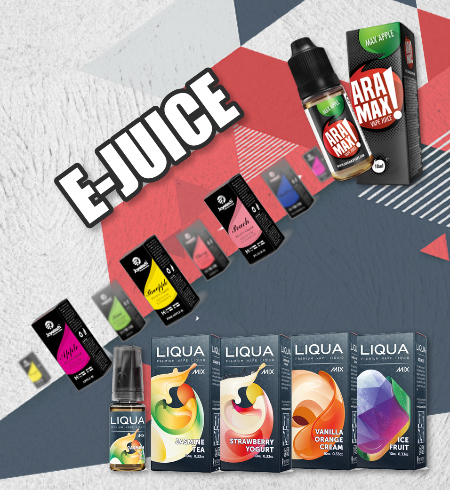
Propylene Glycol (PG)
Thinner Consistency: Due to the fact that propylene glycol has a runny consistency, PG e-liquid is thinner than the VG variety, and is easily absorbed by the polyfill and cotton fabric inside cartomizers and wick tanks.
Less Gunk: The low density of the juice also means that gunk doesn’t build up on the heating element of your vaporizer as fast as it does when thicker vegetable glycerin liquid is used.
Does not affect flavor: Propylene glycol is a tasteless odorless substance, so it doesn’t alter the flavor of the e-liquid in any way.
Stronger throat hit: It’s also a powerful humectant, so while it will dry your mouth and throat if used consistently, PG also produces a stronger throat hit, similar to that of tobacco cigarettes.
|
|
Vegetable Glycerin (VG)
Thicker: Vegetable glycerin is a considerably thicker solution, compared to propylene glycol. It has a slower absorption rate for wicks and cartomizers.
More gunk: Because of its thick consistency, VG tends to gunk up and clog vaporizers, requiring more cleaning.
Sweeter: On its own, VG has a slight sweet taste which also makes the e-liquid sweeter and the flavors a little difficult to detect.
Less throat hit: You also get less of a throat hit when using VG.
More vapor: On the upside, because of its thick consistency, VG e-liquids produce significantly more vapor and doesn’t cause allergic reactions or irritations as often as propylene glycol.
|
|


